🌱 The Danger of Overusing Pesticides and Fertilizers: Why “More” Doesn’t Mean “Better”
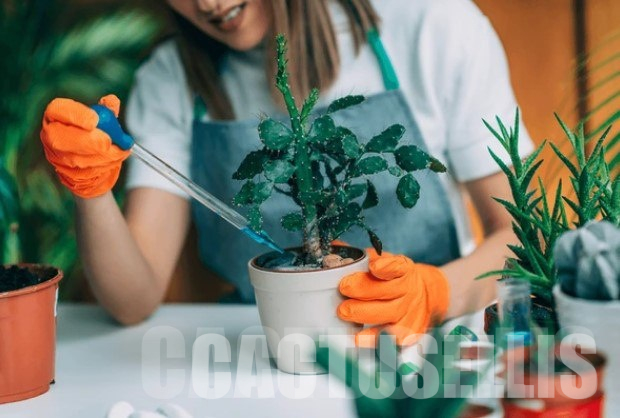
From time to time we notice the mistake which beginners sometimes make — people wanting to “help” their plants by giving them a little extra fertilizer or pesticide.
But in the plant world, “more” can easily turn into the opposite of “better.”
⚗️ How Fungicides and Insecticides Work
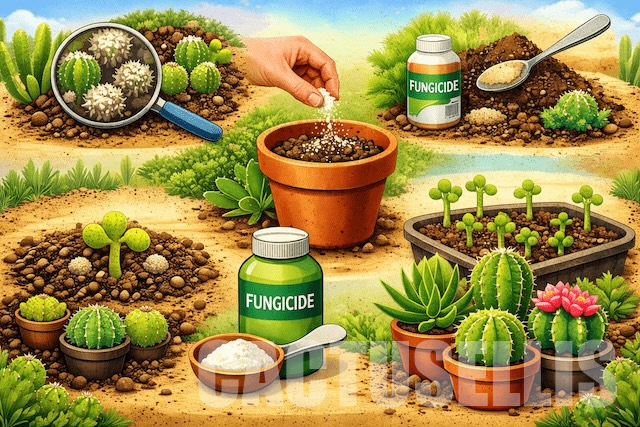
Fungicides and insecticides are active chemical substances designed to act on specific microorganisms or insects.
They work through precise biochemical mechanisms — blocking enzymes, disrupting cell membranes, or preventing reproduction of the pest.
👉 These processes require very accurate dosing.
Each product’s dose is calculated to be effective against the pest but safe for the plant and the environment.
⚠️ What Happens When You Overuse Them
-
Leaf and Root Burn
Too high a concentration can literally “burn” plant tissues. You’ll see yellowing, necrosis, or leaf drop. -
Toxin Accumulation in the Soil
Chemical residues build up in the substrate, killing beneficial microorganisms and reducing root respiration. -
Resistance Development in Pathogens
Just like antibiotics in humans — when used incorrectly, pests adapt and become resistant. Over time, the product simply stops working. -
Risks for Humans and Animals
Excessive spraying leaves higher chemical residues on crops. That means some of the pesticides may end up in our bodies. -
Nutrient Imbalance
With fertilizers, “more” can block the uptake of other essential nutrients.
For example, excess nitrogen suppresses calcium and magnesium absorption — resulting in soft, weak, disease-prone plants.
🌿 How to Do It Right
✅ Follow the product label carefully.
Each preparation has an optimal concentration determined through laboratory testing.
✅ Avoid mixing different products unnecessarily.
Some chemicals can react with each other — changing the pH or forming toxic compounds.
✅ Rotate fungicides and insecticides with different modes of action.
That helps prevent resistance build-up in pathogens and pests.
✅ Observe your plants.
After each treatment, check the leaves and stems — even mild burn marks indicate the solution is too strong.
✅ Whenever possible, use biological or contact products.
They act for a shorter time but are safer for the environment and for you.
🌸 Conclusion
In plant care and protection, precision matters more than quantity.
Fungicides, insecticides, and fertilizers aren’t “vitamins” that simply make plants grow faster — they are powerful chemical tools that demand respect, attention, and accuracy.
Remember:
👉 The right dose heals.
👉 Too much harms.