🌱 Astrophytum Seed Sowing: A Step-by-Step Guide from the Grower’s Experience
August is here — the month when the intense heat of July starts to ease, but temperatures still rise to 27-29°C during the day. It’s the perfect time to sow certain species directly in the greenhouse without additional grow lights or much effort. One such species that thrives in August right in the greenhouse is Astrophytum. These cacti love neutral to slightly alkaline soil, are easy to grow, and are truly grateful for a bit of attention and weekly feeding.
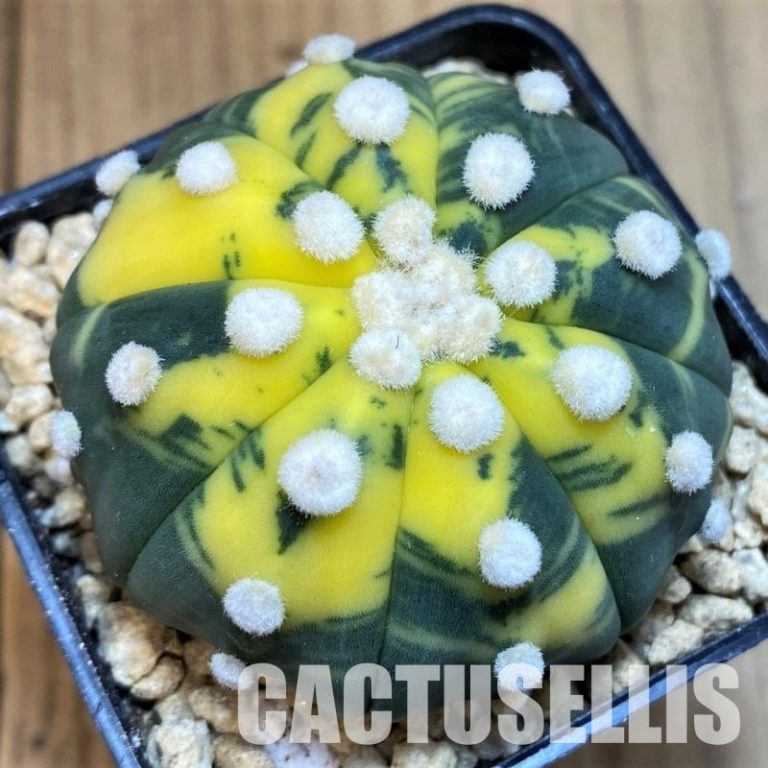
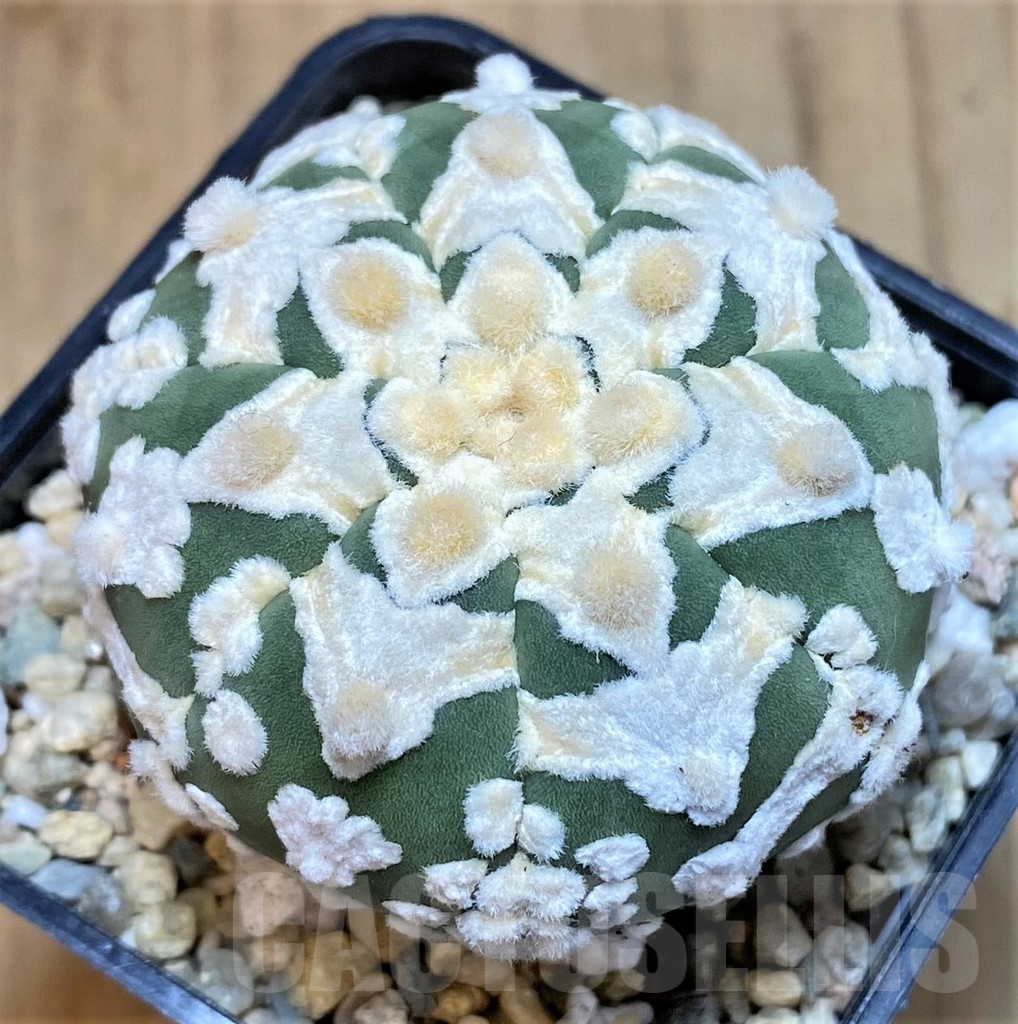
Astrophytums are among the most popular and beautiful cacti worldwide. They are easily recognizable by their characteristic “star” shape (from Greek Astrophytum — “star plant”), white specks on the surface, and incredible flowers. Sowing these cacti is an art that requires attention, patience, and love.
✅ What You’ll Need:
-
Fresh Astrophytum seeds (we recommend Astrophytum asterias, myriostigma, capricorne, or hybrids)
-
Containers with drainage holes (pots or mini greenhouses)
-
Substrate: a mixture of 30% pumice, 40% coconut coir, 30% fine perlite (2 mm), and 10% seramis
-
Clear lids / plastic wrap / bags for creating a greenhouse effect
-
Sprayer with boiled water
-
Growth stimulant (any one that is easily available in agro-pharmacies)
-
Warm, bright place (temperature of +24…28°C)
🔬 Step 1: Preparing the Seeds
Fresh seeds have excellent germination, but it’s still a good idea to pre-treat them:
-
Soak them in warm water for 2–4 hours.
-
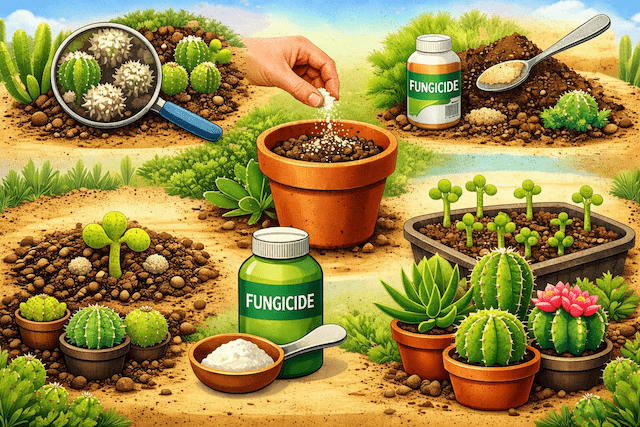
Optionally, treat with a weak fungicide solution (e.g., Previcur Energy, TMTD) or potassium permanganate.
Tip: You can place the seeds in a damp paper towel for 12 hours before sowing — this stimulates germination.
🌿 Step 2: Preparing the Substrate
The substrate should be light, breathable, and sterilized.
-
Before using, sterilize the mixture by heating it in the oven or steaming it to kill fungal spores and pest larvae.
-
Moisten the substrate with a sprayer using warm boiled water, but do not saturate it — it should be damp, not wet.
🌱 Step 3: Sowing the Seeds
-
Spread the seeds on the surface — do not bury them! Astrophytums need light to germinate.
-
Lightly press each seed with your finger or a spoon.
-
Cover the container with a clear lid, plastic wrap, or a bag — it’s essential to create a stable humid microclimate.
-
Place the container in a warm, bright location, but avoid direct sunlight (diffused light or artificial lighting is ideal).
💧 Step 4: Care in the First Weeks
-
The optimal temperature: +25–28°C during the day, no lower than +18°C at night.
-
Do not open the greenhouse for the first 7 days. Then, gradually start ventilating — first for 5–10 minutes a day, gradually increasing the time.
-
If mold appears, immediately treat with a fungicide and ventilate.
-
Germination usually begins on days 5–10, but some seeds may take up to 3 weeks.
🌞 Step 5: Transitioning to Adult Life
After 2–3 weeks of seedling emergence:
-
Begin acclimating them to lower humidity: remove the cover for an hour or two a day.
-
After a month, you can remove the cover completely and gradually transplant the seedlings into separate pots (3–5 cm in diameter), using a mineral soil mix.
🌵 Tips from Cactus Online
-
Do not overwater! This is the most common mistake of beginners.
-
If you want beautiful hybrids, sow seeds from your own collection through cross-pollination.
-
They respond well to background LED lighting for 12–14 hours.
-
Don’t rush to fertilize — in the first 2 months, the seedlings get enough nutrients from the substrate.
📦 Ready to Start?
We always have fresh Astrophytum seeds with proven germination and from selected parent plants available in our catalog. You can order >here<