Why You Should Avoid Using Growth Stimulators for Cacti
And Why Monitoring Nitrogen Levels in Fertilizers Is Important for Flowering
Cacti are not only hardy but also very sensitive plants. Their tissue structure and growth rhythms differ significantly from other decorative or fruit plants. Therefore, any interference—overwatering, over-fertilizing, or especially using growth stimulators—can lead to unwanted consequences.
❗ Why Growth Stimulators Are Harmful to Cacti
Growth stimulators that promote cell division and expansion are often used in gardening to quickly increase plant mass. However, in the case of cacti, this can be dangerous.
What happens when growth is stimulated:
-
The internal tissues (parenchyma) start dividing and expanding rapidly.
-
The outer skin (epidermis)—which is dense and not very stretchable—fails to keep up.
-
This creates internal pressure, which may cause cracking, splitting, swelling, or deformities.
-
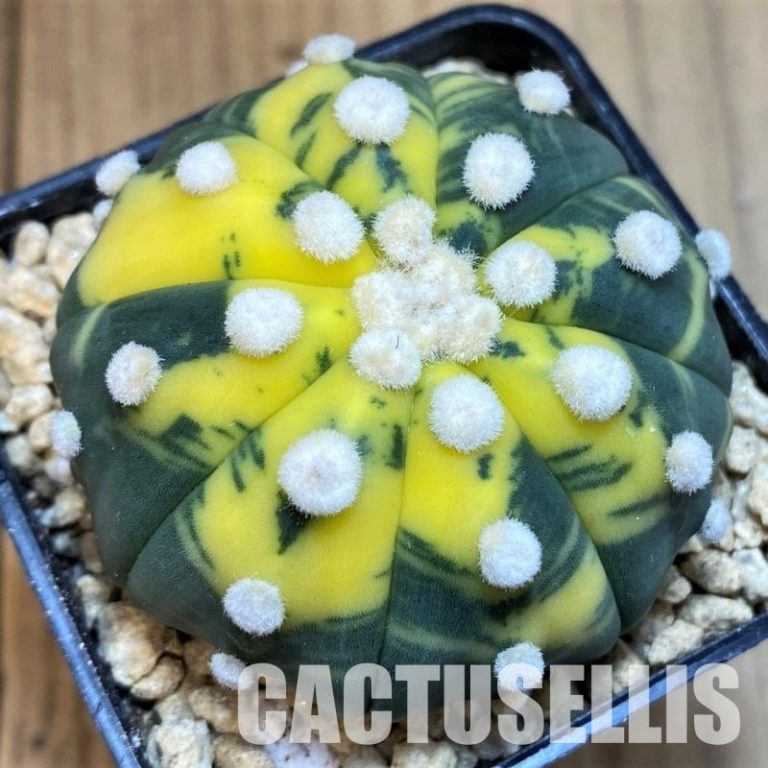
This is especially risky for globular cacti and varieties with thin skin, such as Gymnocalycium, Astrophytum, Frailea, and others.
📌 Conclusion: It’s best to avoid using growth stimulators on cacti, especially collector’s and variegated forms.
🌿 The Role of Nitrogen: Friend or Foe?
Nitrogen is a vital nutrient for all plants, but excess nitrogen is harmful to cacti, especially during budding and flowering stages.
Dangers of excess nitrogen:
-
Accelerates tissue growth → risk of cracking and deformation
-
Reduces flowering (plant focuses on “vegetative growth” instead of buds)
-
Increases water content in tissues → makes cacti vulnerable to fungal infections and rot
-
May cause “stretching” and loss of compact form
📌 Recommendation: Use specialized cactus fertilizers with low nitrogen (N) and higher phosphorus (P) and potassium (K), especially in spring and summer. NPK ratios around 5-10-15 or even 3-15-20 are preferred.
💧 What About Watering?
Even without stimulators or fertilizers, overwatering alone can cause the same effects as hormonal surges.
Especially risky are:
-
Sudden watering of very dry substrate
-
Watering during cool or cloudy weather
-
Watering immediately after repotting before adaptation
-
Frequent shallow watering without substrate drying
What happens:
-
Tissues absorb water → swelling → cracks
-
Internal pressure rises → cactus “bursts”
-
Outer layer weakens — an entry point for infections
📌 Conclusion: Water infrequently but thoroughly, only after the substrate is completely dry. In spring, start with lighter watering and gradually increase.
✅ How to Safely Stimulate Growth and Flowering
-
Use natural methods: proper light, temperature, and rest periods
-
Apply low-nitrogen cactus fertilizers only during active growth
-
Let plants rest during autumn and winter
-
After repotting, avoid watering immediately — allow adaptation time
-
Never use generic “fast growth” stimulators
🌵 Conclusion
Cacti have a unique growth mechanism. What benefits tomatoes or roses may harm them.
Let your cacti grow slowly but harmoniously — without cracks, deformities, or diseases. Their flowers will be a true reward for your careful care!